
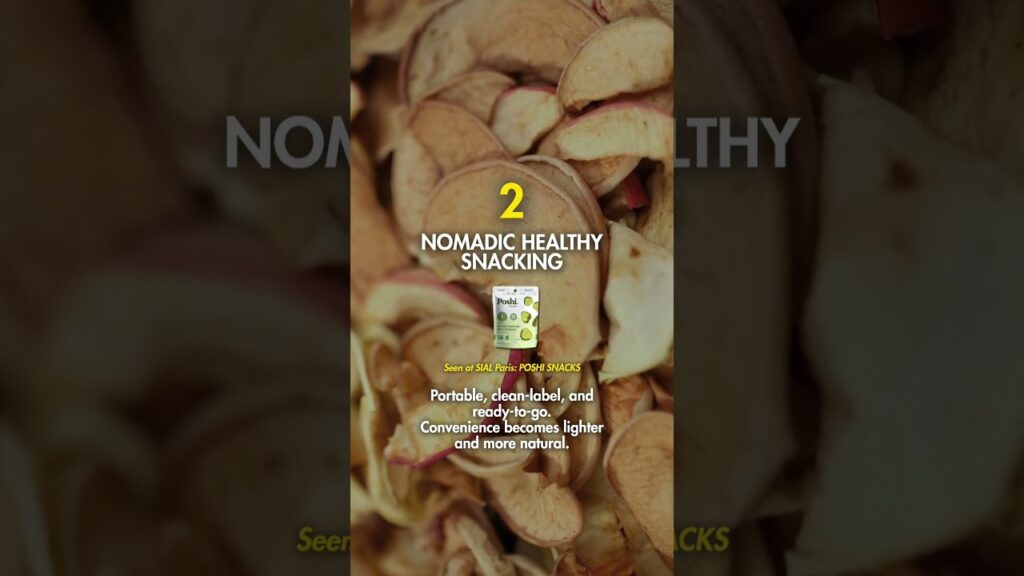
What used to be associated with ultra-basic meals and speed-only consumption is now becoming one of the most strategic playgrounds for food innovation.
The category is being redefined by the rise of the “3R revolution”:
Ready-to-Eat (RTE)
Ready-to-Heat (RTH)
Ready-to-Cook (RTC)
And consumers are responding.
Across global markets, especially among urban consumers aged 20–40, expectations are shifting fast:
People want convenience without compromising on taste, quality, or experience.
The signals are everywhere:
upgraded instant meals with slow-cooked broths and freeze-dried technologies
office-friendly meal kits adapted to hybrid lifestyles
premium convenience dishes borrowing codes from chefs and foodservice
Convenience is no longer only about “saving time.”
It’s becoming a culture of optimized eating: efficient, experiential, and increasingly premium.
The category has cracked the code of modern consumption:
less effort, more emotion.
At the intersection of food tech, changing lifestyles, and urban routines, ready-to-consume formats are becoming one of the strongest growth engines of the industry.
Knock knock. It’s the future of food.
In your opinion, what will define the next generation of convenience food: ultra-premiumization, health functionality, or hyper-personalization?
source